
ADHD Coaching for the Music and Creative Industries
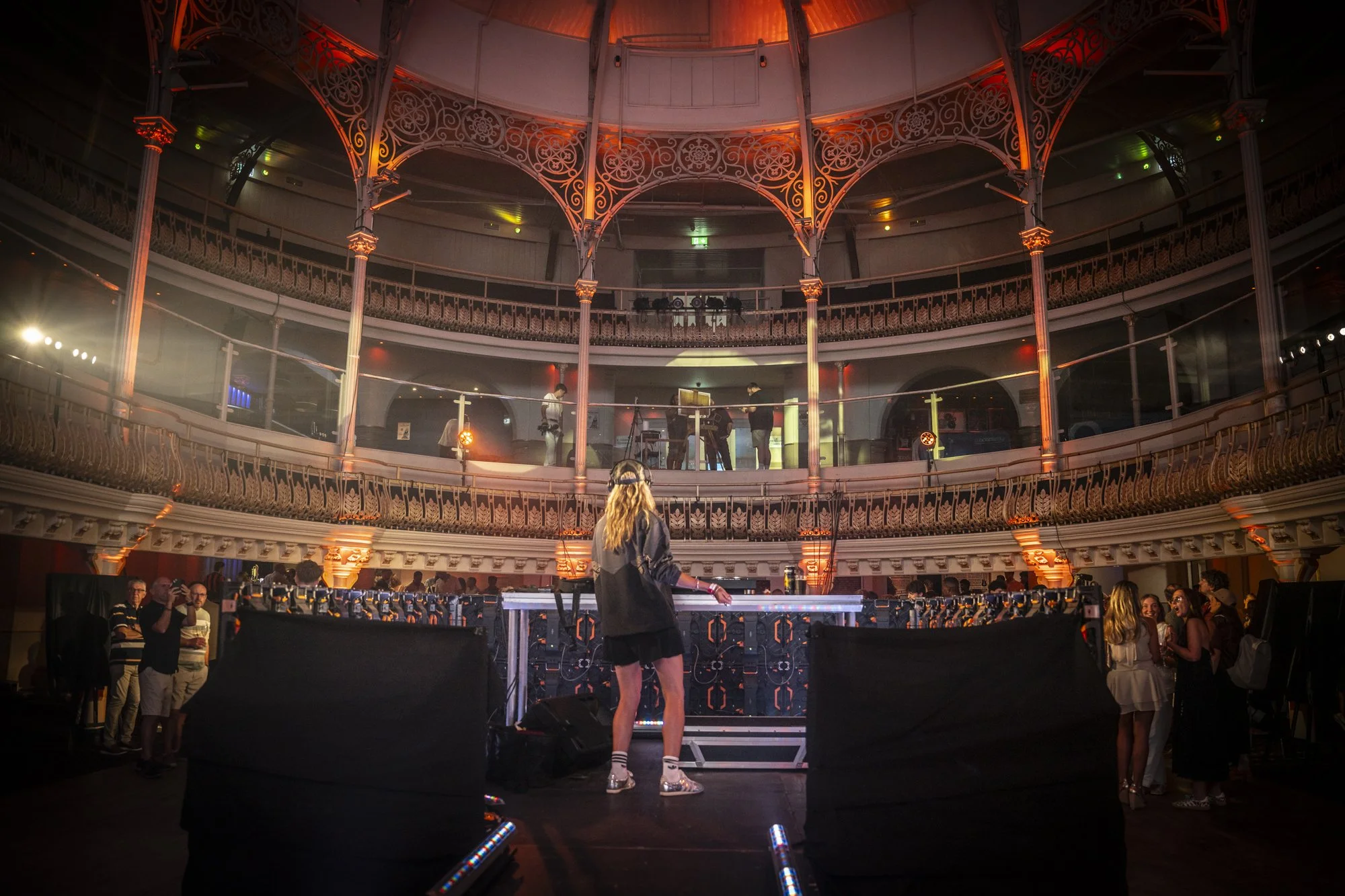
I'm an ADHD coach. I'm also a working DJ who plays house music most weekends, spent years in and around the music business including at Ministry of Sound, I ran a brand agency for years, moderated the ADHD panel at Brighton Music Conference this year, and even have a chapter in a book on ADHD and DJing.
So when you tell me about the gig you nearly pulled out of, or the track you've been rewriting for eight months, or what a "no" from a label does to you for the rest of the week, I'm not working from a textbook.
The music and creative industries are full of neurodivergent humans, but are still. not the most healthy environments for us - whether its working in management, behind the scenes, as a creative or artist, as an aspiring DJ, whether self employed or employed, the pressure is there.
Why so many creatives have ADHD
The overlap isn't your imagination. ADHD brains are wired for divergent thinking, novelty seeking and pattern recognition, the exact traits that make someone good at making things. The same wiring also makes admin, deadlines and consistency genuinely harder. You get the upside and the downside from the same source, which is why "just be more organised" has never worked for you.
What comes up most
Rejection sensitive dysphoria.
This industry runs on rejection. Unanswered demos, gigs that don't come back, a set that didn't land. For an ADHD brain, a "no" doesn't register as feedback, it registers as evidence about you as a person, and it can floor you for days.
There's a reason it lands that hard. Children with ADHD receive far more corrective and critical messages growing up than their peers do, thousands of extra little paper cuts, and that builds a filter you're still looking through in your thirties and forties. It shows up as perfectionism, as people-pleasing, and as not quite finishing things. If you never hand it in, nobody can judge it.
The feast and famine cycle.
Hyperfocus through a project, collapse afterwards, then panic about the next one. Creative work rewards the intensity right up until it burns you out. A lot of people I work with pour everything into the build-up to a release or a show and then have nothing left for the thing itself, or for the follow-up that would have made it pay.
The business side.
Invoices, contracts, tax, marketing yourself. The parts that stand between the work and getting paid for it, and usually the parts that get left. This isn't a character flaw. Routine transactional admin is close to the worst possible match for an ADHD brain, which is why building support around it works better than resolving to try harder.
Identity.
Working out who you are when your work is also your passion and your income, and the boundary between them stopped existing years ago.
How this works
One-to-one, online, wherever you are. We work through my Brilliance Effect model: understanding how you actually operate, dealing with the self-belief stuff underneath the rejection sensitivity, and building a way of working that fits your brain and your industry rather than a nine-to-five that was never designed for either.
Access to Work funding often covers this whether you're employed, or self-employed. [Here's how]
Give yourself room to be human. The work gets better, not worse, when you do.