Meet Abi Lemon, ADHD Business Coach and Mentor
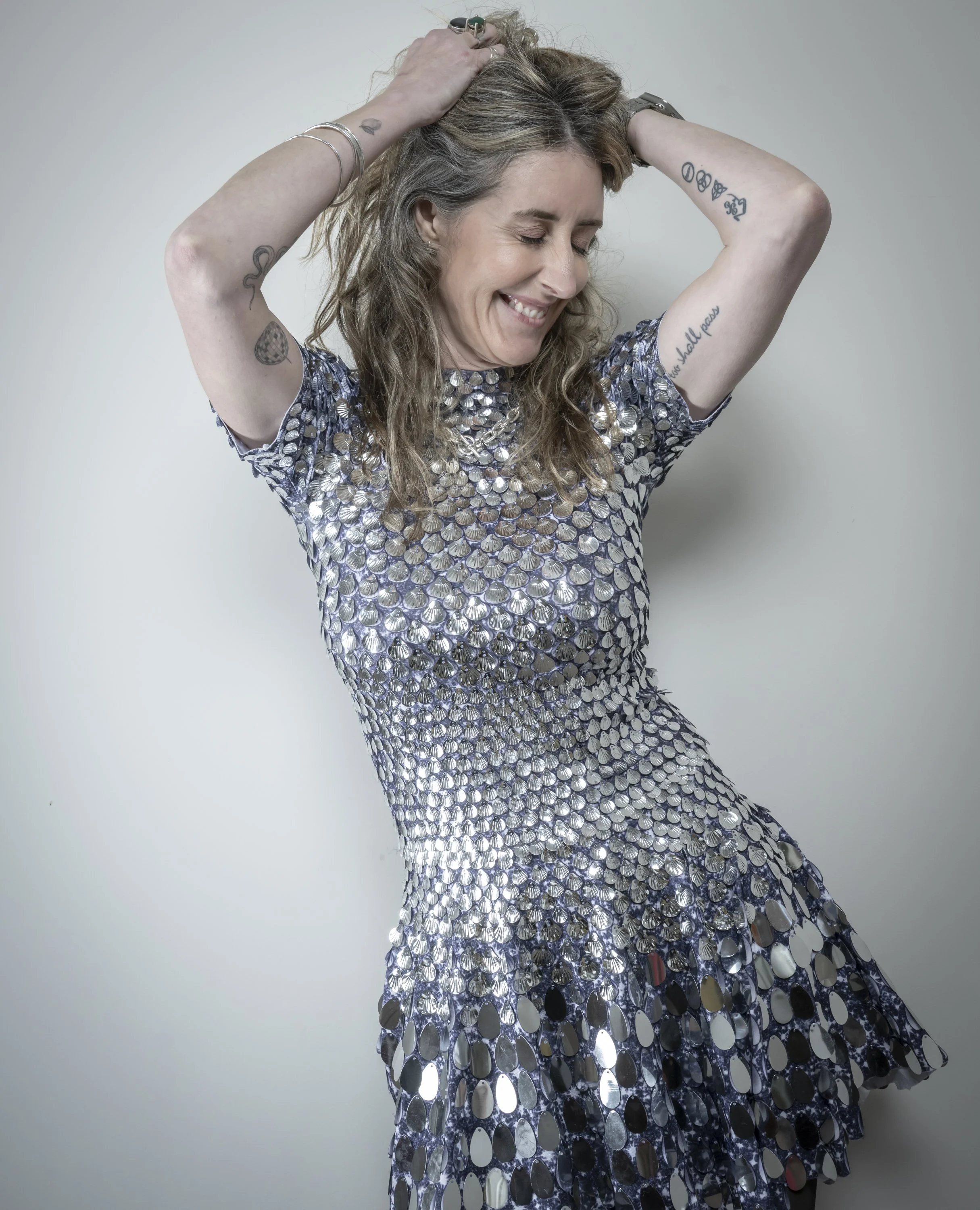
It’s me: Abi
Hi ☻
I'm a brand strategist turned ADHD coach, mentor and advocate for creative professionals, leaders and entrepreneurs.
I've worked in the music and creative industries for most of my career, including a stint at Ministry of Sound. I ran a successful agency, then burned out running it. I've been sacked because of traits I didn't have a name for yet. And in 2021, during my master's, I applied for Disabled Students' Allowance thinking I might be dyslexic. I wasn't. An educational psychologist found dyspraxia and ADHD instead.
It wasn't one tidy lightbulb moment, more a grief cycle: why did it take so long, why did nobody notice, what would have been different. But the self-understanding it gave me changed how I see everyone I coach now.
Once I started talking about my late ADHD diagnosis publicly, nearly every client told me they either had ADHD or recognised the traits in themselves. That's what pulled me into specialising, not a calculated pivot, just what made sense once I realised the people around me were largely my people.
On masking, and what it costs
Most people diagnosed late have spent decades running a second job nobody paid them for: managing how they come across. Rehearsing before the phone call. Copying how other people seem to organise themselves. Working twice as hard to look like you're working the same amount as everyone else.
It works, up to a point, which is exactly the problem. It works well enough that nobody notices, including you, until the cost lands somewhere else. In the shutdown after a good stretch. In the exhaustion nobody can see. In the strange grief of a diagnosis that explains thirty years at once.
Unmasking is not a switch you flip. It's a slow business of working out which bits were survival, which bits are actually you, and what you'd like to keep. That work sits at the centre of the coaching, and it's usually where the biggest changes come from.

✦
Why I do this
I want ADHD people to stop treating themselves as broken. Your brain is wired differently to most, and once you understand how, you can build a life and business that works with it instead of against it.
Self trust doesn't come from pressure. It comes from evidence, built up slowly, from things you said you'd do and then did.
✷
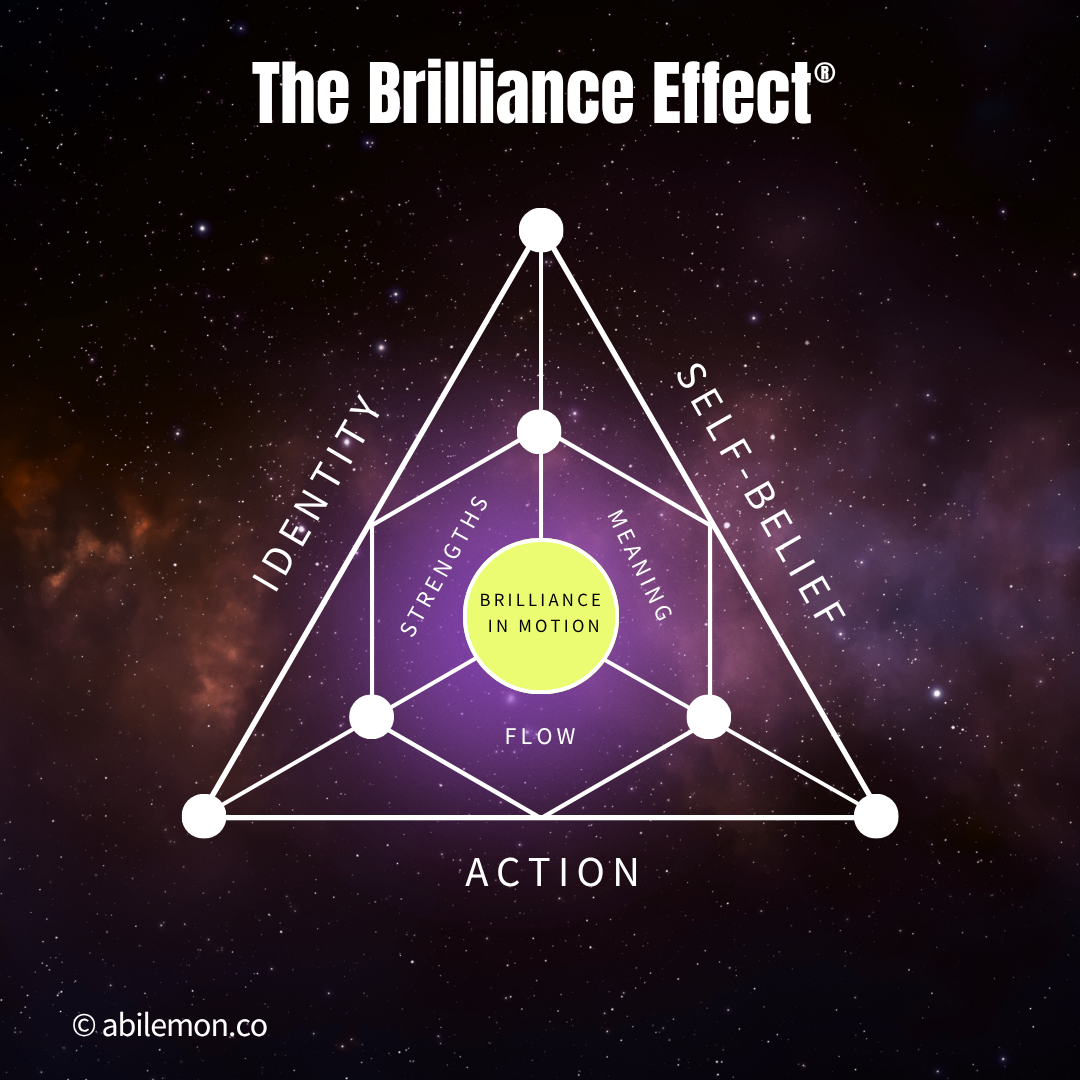
The Brilliance Effect: my ADHD coaching model
This is the thinking behind everything I do, whether we're working one-to-one or I'm training a whole team.
It's got two halves. The first is the traditional coaching work: Identity (working out how you actually operate, and what that means for how you live and work), Self-Belief (untangling rejection sensitivity and self-worth from the evidence, so judgement stops running the show), and Action (where you're going and how you actually get there, plan and delivery together).
The second half is what most coaching leaves out entirely, and usually why plans built in the first half fall apart within a month. Strengths (working with what you're naturally good at, not against it), Finding What Matters (purpose and actual day-to-day enjoyment, not just a distant payoff), and Flow and Consistency (rhythm instead of the all-or-nothing swing between hyperfocus and collapse most ADHDers know too well).
Put both halves together and you get Brilliance in Motion: all six working together, in whatever "successful" looks like for you.


My Credentials
PgDip Applied Positive Psychology and Coaching Psychology (UEL)
CertHE Biological Psychology
EMCC Senior Practitioner accreditation
ICF-recognised ADHD-specific training
CPD in neurodiversity coaching, attachment theory, VIA Strengths and mental health first aid
13 years coaching, 5 of them ADHD-focused, around 300 ADHD clients
Associate at Nutritious Minds Clinic
Moderated the ADHD in the music industry panel at Brighton Music Conference 2026
Contributing chapter to a book on ADHD and DJing
If rejection and criticism are the bit that floors you, I've written about that at length. [Read it here]
Sound like you?